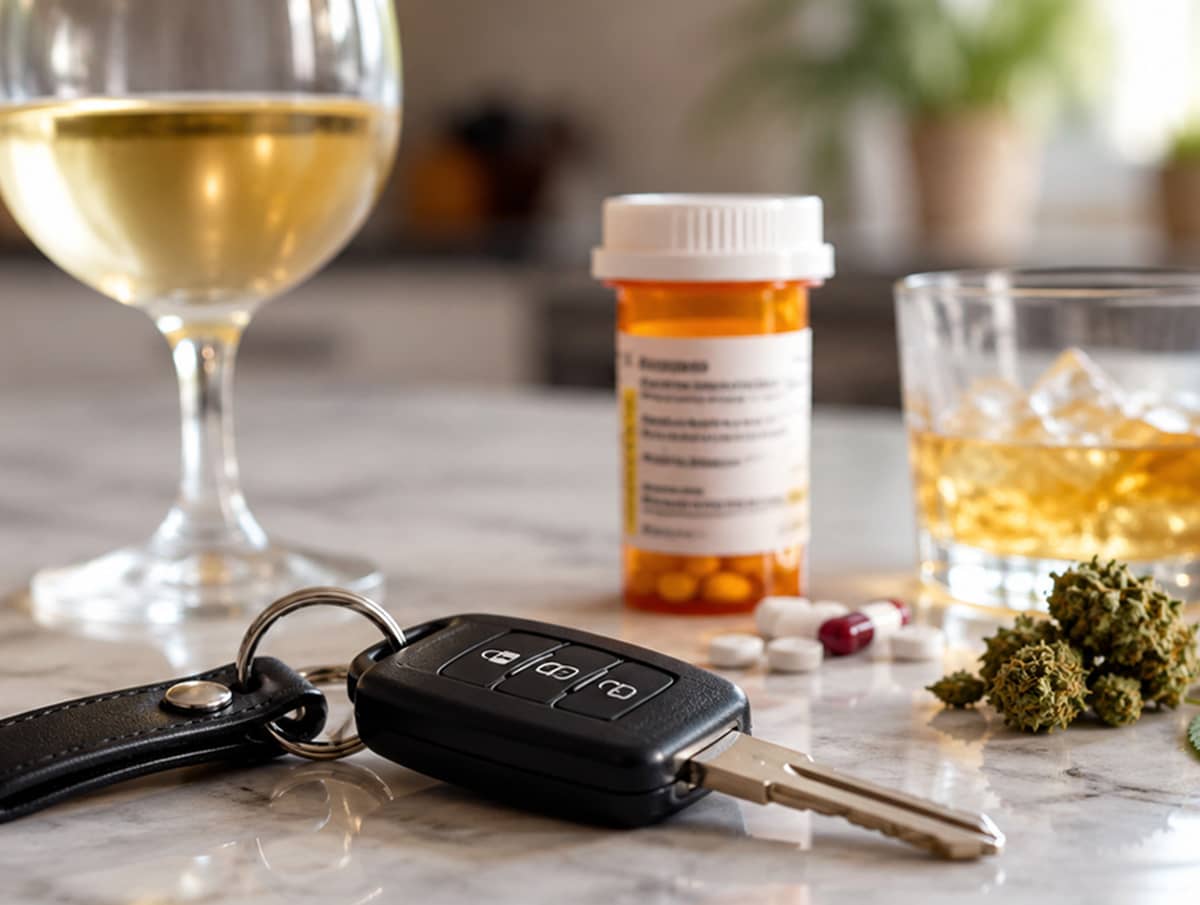
When most people hear “DUI,” they think of alcohol. But in Pennsylvania, you can be arrested for DUI even if you haven’t had a single drink.
Pennsylvania law prohibits driving while impaired by marijuana, prescription medications, illegal drugs, a combination of drugs, or a combination of drugs and alcohol.
With law enforcement continuing to focus on drug-impaired driving, motorists in Bucks County need to understand that a DUI arrest is not limited to drunk driving.
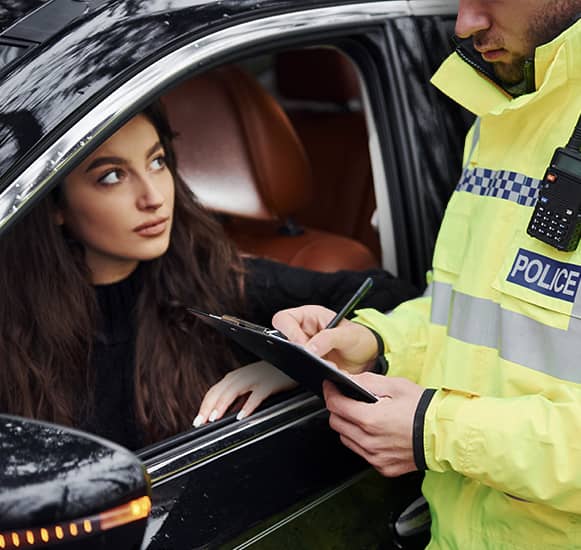
What Is Drugged Driving in Pennsylvania?
Under Pennsylvania Vehicle Code §3802, it is illegal to drive, operate or be in actual physical control of a vehicle while under the influence of a drug or combination of drugs to a degree that impairs your ability to drive safely. PA’s DUI law also specifically addresses driving with certain controlled substances or their metabolites in the blood.
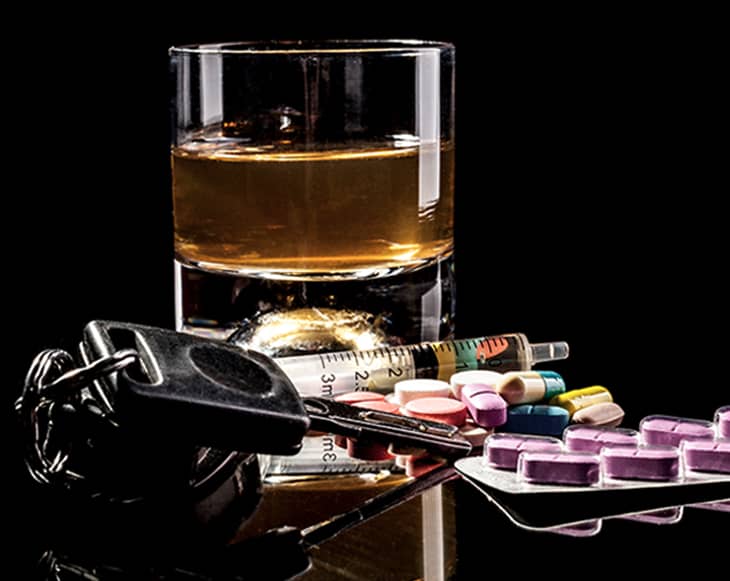
A Drug-Related DUI Can Involve:
Marijuana and DUI in Pennsylvania
Pennsylvania’s medical marijuana laws can create particular confusion for drivers.
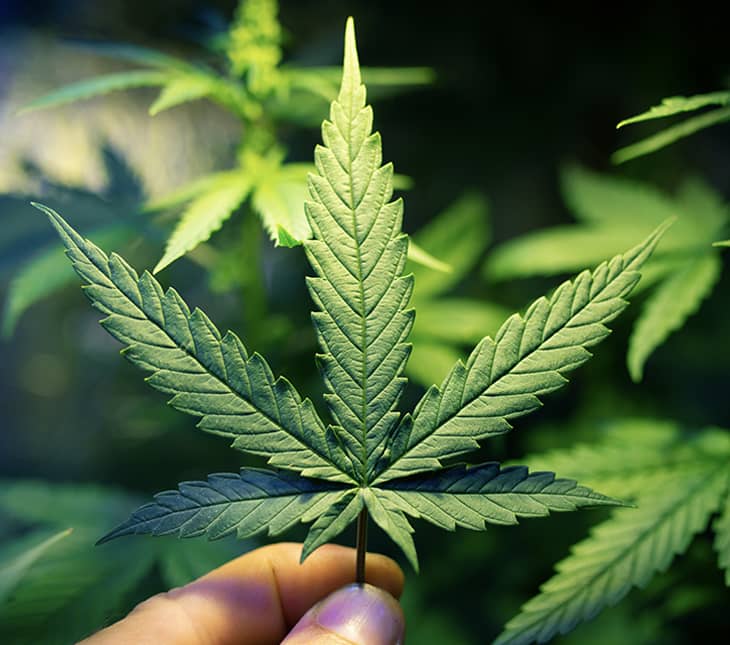
Having a valid medical marijuana card does not give you the legal right to drive with marijuana in your system in violation of Pennsylvania’s DUI law.
Unlike a traditional alcohol DUI, where blood alcohol concentration (BAC) can be used to establish different levels of impairment, PA law treats Schedule I controlled substances differently.
The presence of a prohibited substance or metabolite in the blood can create a DUI issue even when the driver believes he or she is no longer impaired.
Pennsylvania Drugged Driving by the Numbers
Drug-impaired driving continues to be a significant part of PA’s impaired-driving landscape.
2025 PennDot PA Impaired Driving Statistics:
The Bucks County Impaired Driving Landscape
For drivers in Bucks County, drugged driving is not simply a statewide issue.
PennDOT distributes millions of dollars in federal funding each year for impaired-driving enforcement. In 2026, that statewide funding exceeds $6.7 million.
That means a driver stopped in Doylestown, Quakertown, and across Bucks County, may encounter officers trained to detect drug-related impairment.
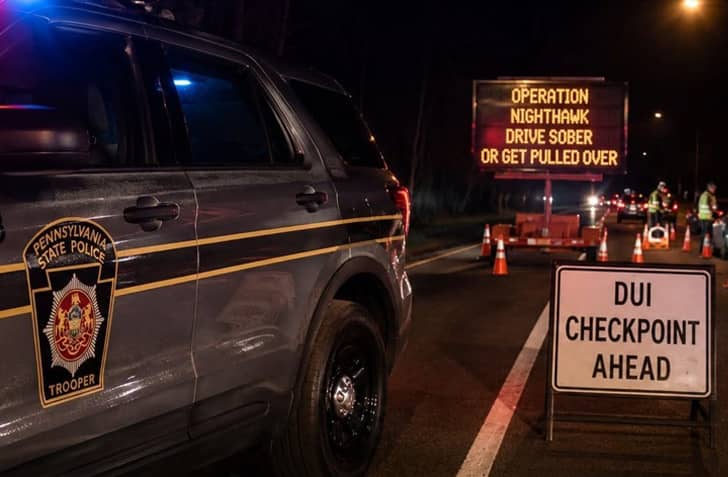
Enforcement strategies designed to identify impaired drivers, include:
What Is Pennsylvania’s Two-Hour Rule?
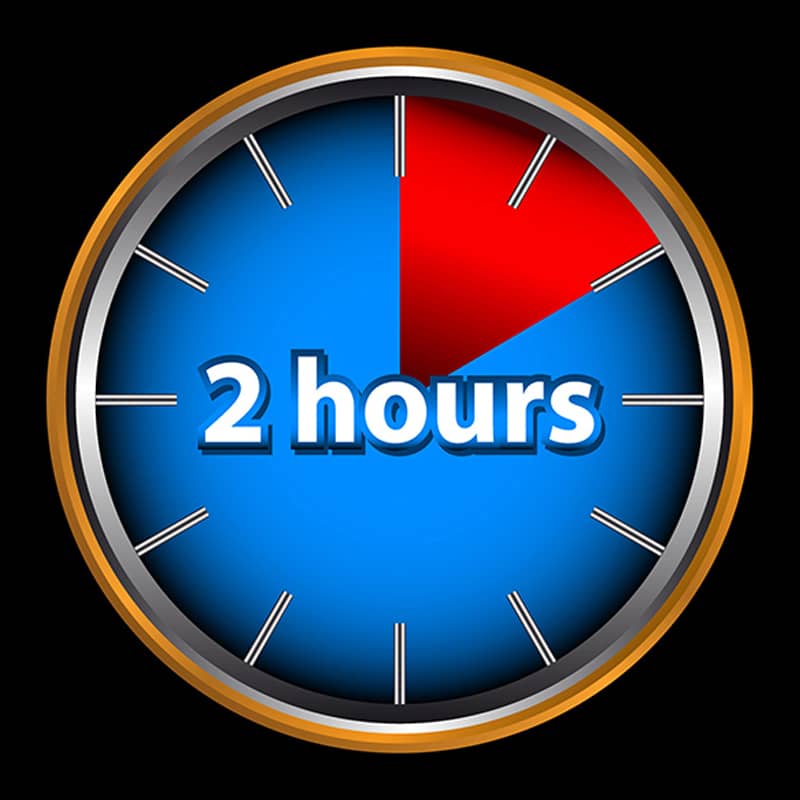
Pennsylvania’s DUI statute contains what is commonly referred to as the Two-Hour Rule.
For DUI offenses in which alcohol or controlled-substance concentration in the blood or breath is an element, the statute generally addresses chemical-test results obtained within two hours after driving.
However, there is an important exception.
Evidence from a sample obtained more than two hours after driving may still be admissible when the Commonwealth can establish:
Prescription Drugs and PA’s Medically Impaired Driver Law
Drugged driving should not be confused with Pennsylvania’s separate Medically Impaired Driver Law.
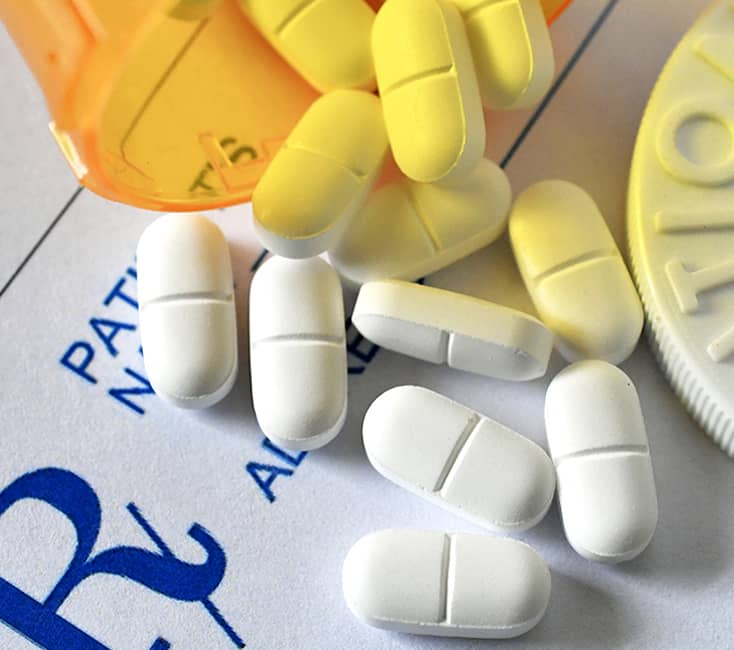
Under 75 Pa.C.S. §1518, certain health care professionals are required to report patients age 15 and older to PennDOT when they diagnose specified medical conditions that may affect the person’s ability to safely drive.
PennDOT states that reports generally are not required for conditions expected to last fewer than 90 days.
The reporting law is separate from a DUI prosecution, but both reflect PA’s focus on whether a person can safely operate a motor vehicle.
Can You Be Arrested for DUI If You’re Medically Restricted From Driving?
If PennDOT has recalled or restricted your driving privileges because of a medical condition, driving in violation of that action can result in legal consequences. If you are also impaired by prescription medication or other drugs, you could face a separate Drug DUI charge under Pennsylvania law.
However, being medically restricted from driving does not automatically constitute a DUI offense.
Arrested for Drugged Driving in Bucks County?
Drug DUI cases can be considerably more complicated than they first appear.
Depending on the circumstances, your defense attorney may examine:
Why Hire Keith J. Williams for a DUI?
When you are facing a DUI charge, the attorney you choose matters.
With more than 40 years of DUI defense experience, Bucks County DUI defense attorney Keith J. Williams understands Pennsylvania DUI law and the local court system.
When You Hire Keith J. Williams Law: